Quiet Candid Photography at Weddings
How to work close enough for meaning without making every private moment perform for the camera.
Choose the quieter edge
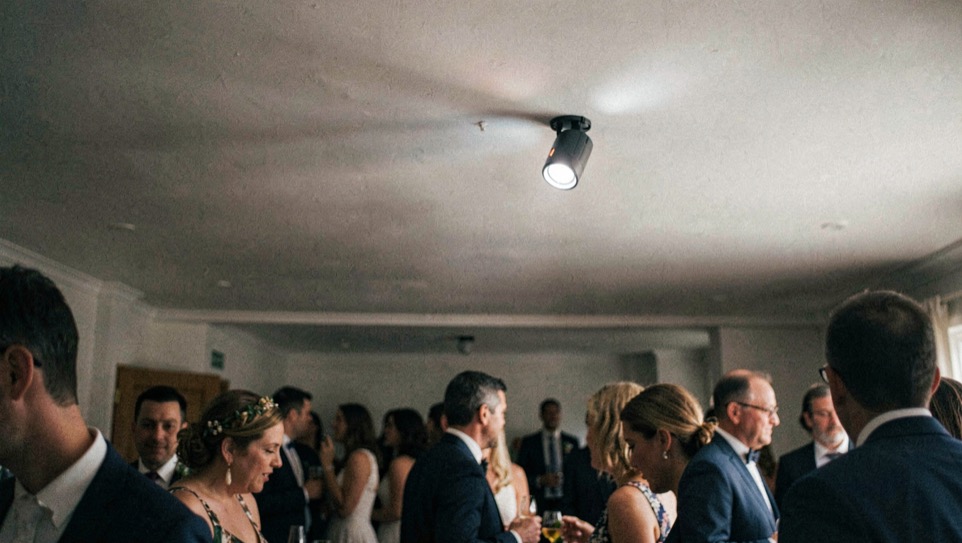
At a crowded event, the edge of a group often reveals the relationship inside it. Watch for the glance, hand on a shoulder or shared joke before moving closer.
Use a longer working distance
A moderate telephoto perspective lets you wait without placing the camera inside a conversation. The right distance is the one that allows the people to keep talking.
Know when to lower the camera
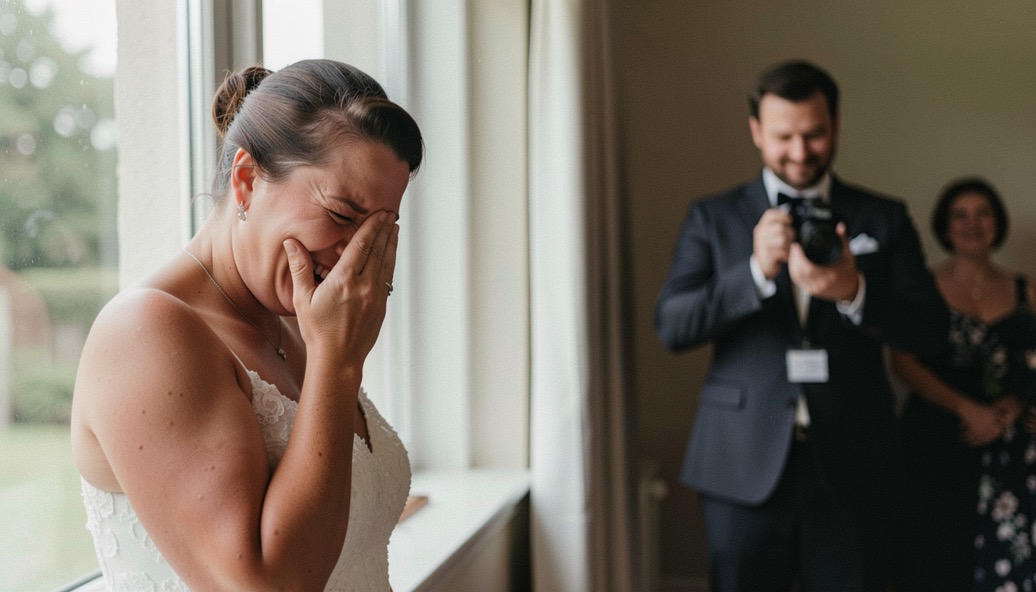
Not every meaningful moment belongs in the gallery. Be clear with clients about boundaries and respect any signal that a person wants to be unobserved.
Distance is part of the ethics
Choose a working distance that lets a conversation continue. A longer lens can give room to wait, but it does not make the photographer invisible. Watch the edge of a group, the hand that reaches for another hand and the moment a person looks away from the performance of the day. Make fewer frames when the moment is private, and speak with the couple beforehand about spaces or people that should not be photographed.
The practical error is to chase emotion as if it were a subject that belongs to the camera. A quiet candid frame is built from timing, consent and restraint. Keep backgrounds clean, use the available light rather than interrupting every exchange with flash, and lower the camera when the relationship has completed its moment. The strongest gallery usually includes enough context for the viewer to understand where the intimacy happened.
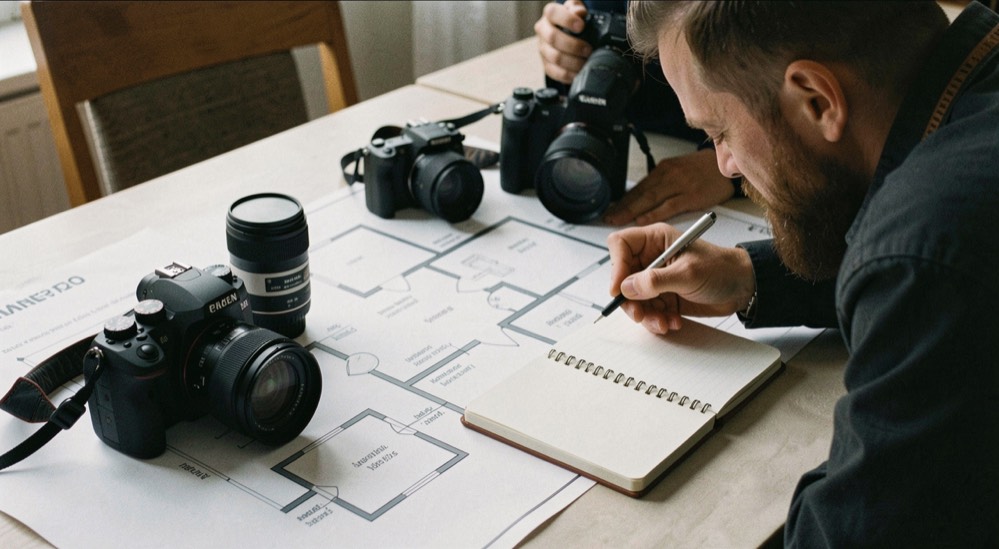
Keep a field record
A respectful candid gallery has pauses in it. Include a quiet room, an empty chair, a hand resting after a dance and the space around a conversation. These frames give the people in the gallery room to breathe and prevent every image from demanding an emotional peak. Review the set with the couple before delivery when a moment feels especially private. Their context matters. The photographer’s access does not automatically determine what belongs in the final story.
Know the limit
A long lens can create distance, but it can also make the photographer feel detached from the people being photographed. Move closer when the relationship and permission support it, then step back when the moment asks for privacy. The ethical limit is not measured in millimetres. It is measured in whether the person can continue their experience without managing the camera. Make the gallery broad enough to include preparation, waiting and recovery. A wedding is not only a sequence of peaks.
Example from the field
Example: while guests wait outside, photograph the person holding a coat, the hands fixing a button and the empty corridor before the group enters. These are candid images without requiring a private confession. When the ceremony begins, stay at the agreed edge and wait for one glance instead of making a burst at every movement. The gallery gains intimacy from context and restraint, not from proving how close the lens could get.